
The Hidden Zip Line: Finding What’s Already Working in Your Schools
School leaders juggle countless priorities, but often overlook what’s already working in their schools — the hidden stories that showcase their district’s true potential.


School leaders juggle countless priorities, but often overlook what’s already working in their schools — the hidden stories that showcase their district’s true potential.

Recently, I tripped walking down the stairs—and it reminded me how schools can stumble in crisis communication when they wait too long to respond.

Trust, like fine china, is fragile. Careless communication can chip away at relationships with school stakeholders.

Join school communication experts to gain hands-on skills for managing high-profile personnel issues and crafting confident, aligned media responses.

School Spirit PR today announced the launch of its School Spirit PR Celebration Grant competition. This $500 grant is designed to support initiatives that celebrate student or staff achievements, contributions, or positive impacts within public and charter school districts across the United States.
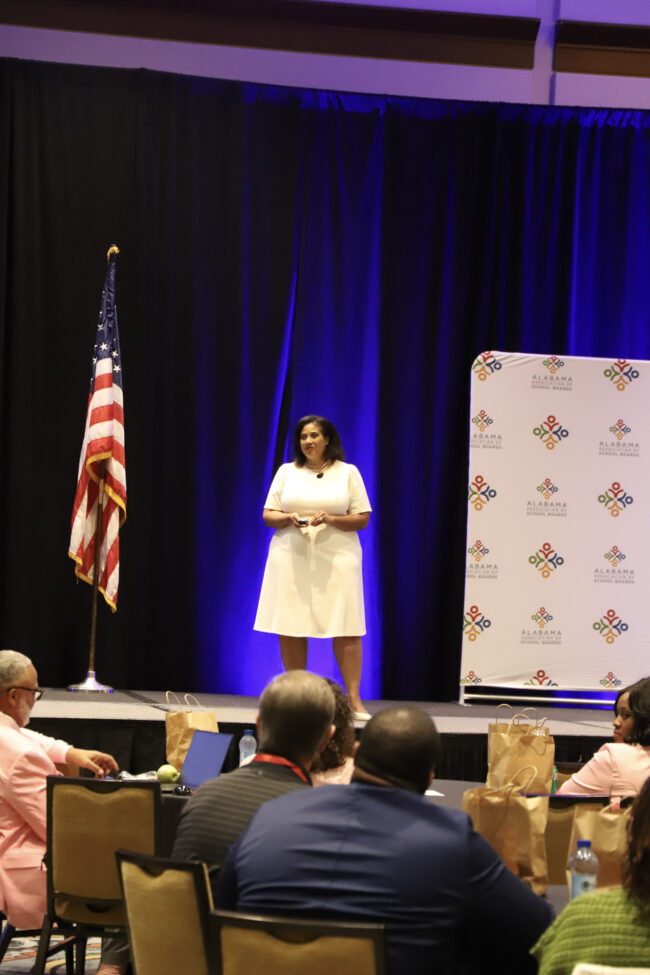
School leaders can learn to turn social media from a source of crisis into a powerful asset by following key steps like establishing clear policies, maintaining separation between personal and official accounts, and avoiding the legally risky mistake of blocking online critics.

School districts need proactive communication strategies aligned with their strategic goals to build trust, protect their reputation, and prevent crises, rather than waiting to react after problems arise.

Your district’s ability to attract and retain top talent depends not just on competitive compensation, but on creating a supportive culture through clear, consistent communication that makes employees feel informed and valued.

Proactive communication is an often-overlooked but essential catalyst for student achievement, as it fosters a supportive environment for students, builds trust with families, and ensures equitable access to educational opportunities.
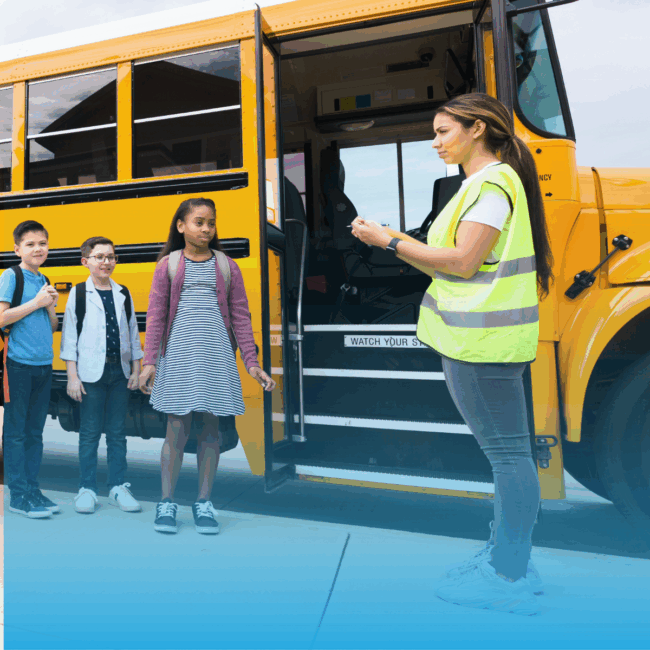
As the new school year begins, districts should rethink attendance campaigns to address chronic absenteeism through targeted, multi-faceted engagement.