
The Bum Ankle and the Waiting Game: A Lesson in Crisis Communication
Recently, I tripped walking down the stairs—and it reminded me how schools can stumble in crisis communication when they wait too long to respond.


Recently, I tripped walking down the stairs—and it reminded me how schools can stumble in crisis communication when they wait too long to respond.

Trust, like fine china, is fragile. Careless communication can chip away at relationships with school stakeholders.

Join school communication experts to gain hands-on skills for managing high-profile personnel issues and crafting confident, aligned media responses.

School districts need proactive communication strategies aligned with their strategic goals to build trust, protect their reputation, and prevent crises, rather than waiting to react after problems arise.

Your district’s ability to attract and retain top talent depends not just on competitive compensation, but on creating a supportive culture through clear, consistent communication that makes employees feel informed and valued.

Proactive communication is an often-overlooked but essential catalyst for student achievement, as it fosters a supportive environment for students, builds trust with families, and ensures equitable access to educational opportunities.
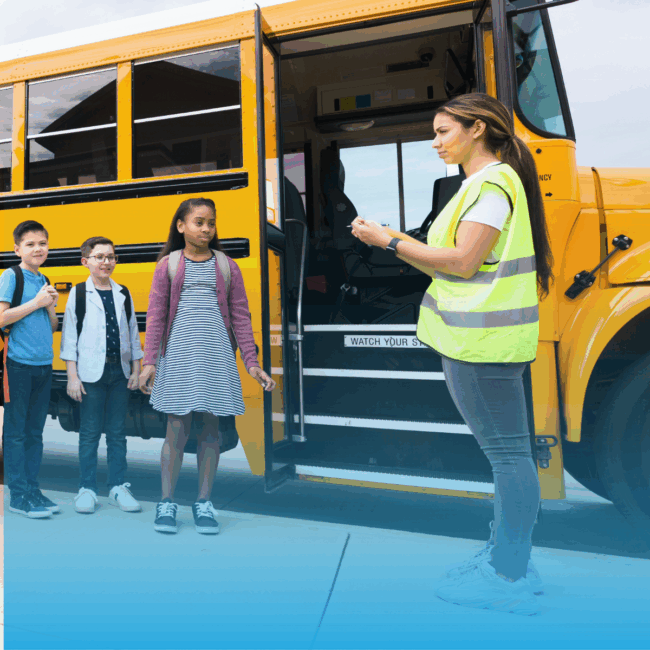
As the new school year begins, districts should rethink attendance campaigns to address chronic absenteeism through targeted, multi-faceted engagement.

School districts must prepare for new federal guidelines starting April 2026 to ensure accessible digital experiences for website users.

The BOOST Framework – Bolstering Optimal Outcomes, Shaping Trust – transforms how districts approach communication, ensuring it’s seen as the engine that drives tangible results and builds the bedrock of community confidence.

School Superintendents of Alabama (SSA) proudly announces a new, free member benefit in partnership with School Spirit PR: comprehensive crisis communication support for school districts across Alabama.